Nullam dignissim, ante scelerisque the is euismod fermentum odio sem semper the is erat, a feugiat leo urna eget eros. Duis Aenean a imperdiet risus.
Nullam dignissim, ante scelerisque the is euismod fermentum odio sem semper the is erat, a feugiat leo urna eget eros. Duis Aenean a imperdiet risus.
 author
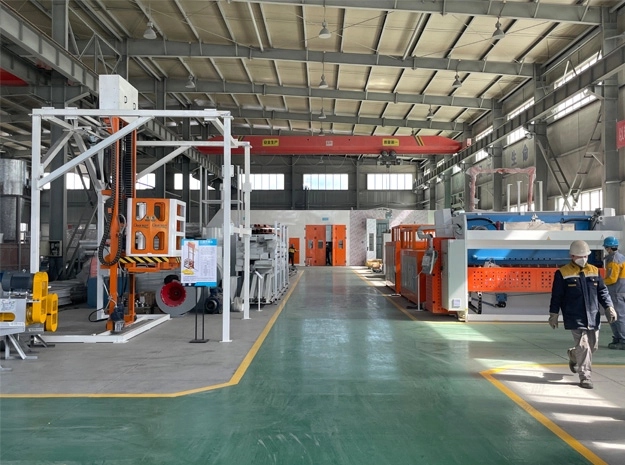
Investing in a professional finishing system goes beyond picking premium machines. Your factory floor plan shapes how materials move, how smoothly work flows, and how much profit you keep over time. A strong powder coating line has to fit the space you already have so handling stays short and output stays high. Picking the right powder coating line manufacturers means checking how well they can shape their designs around your actual room and limits. This guide looks at how good layout planning turns equipment into a lasting asset that pays back well.
The size of your workshop sets the real limits for any coating project. If you skip this step and just pick equipment, you often end up with slow spots, extra safety risks, and higher running costs.
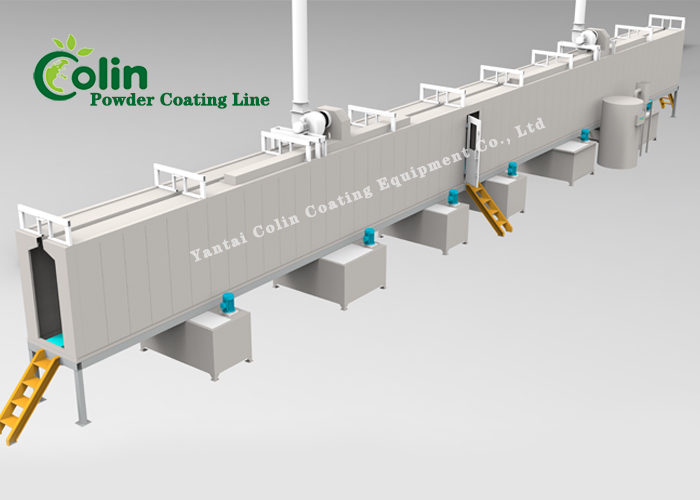
Start with the parts you coat. Some pieces reach 6000 mm long. Their size decides how wide the conveyor path must be and how big the curing oven needs to be inside. Heavy steel frames need stronger overhead rails. Light aluminum profiles need less strength. Makers must measure the largest hanging size, such as 6000 × 750 × 1500 mm, so the conveyor turns stay inside your walls.
A normal coating process runs through four steps: pretreatment, powder spray, high-heat cure, and cool-down. When floor space is tight, the order of these steps matters a lot.
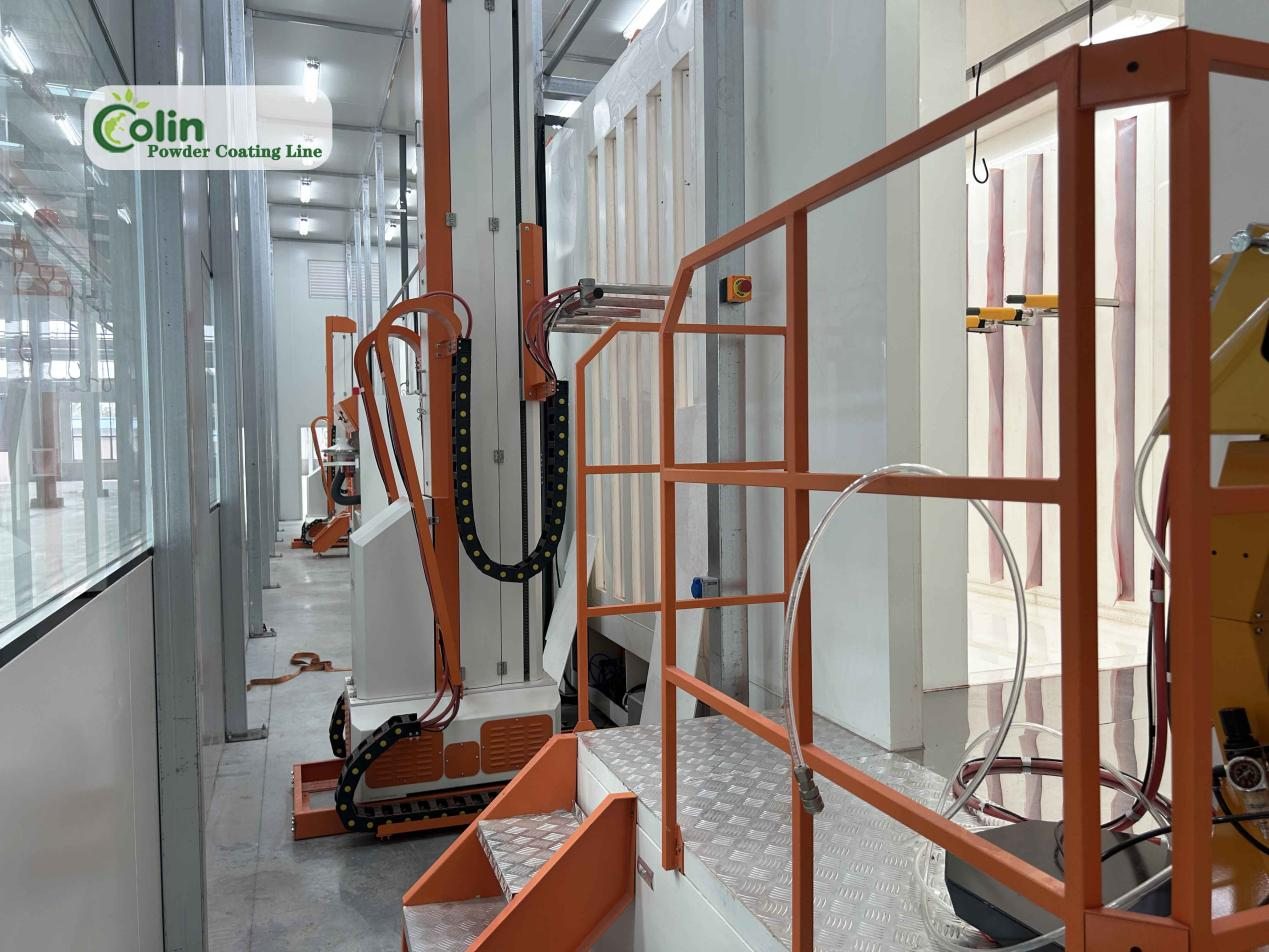
Making good machines is one thing. Turning those machines into a layout that fits your plant is another. The best powder coating line manufacturers give full engineering help, not just standard units.
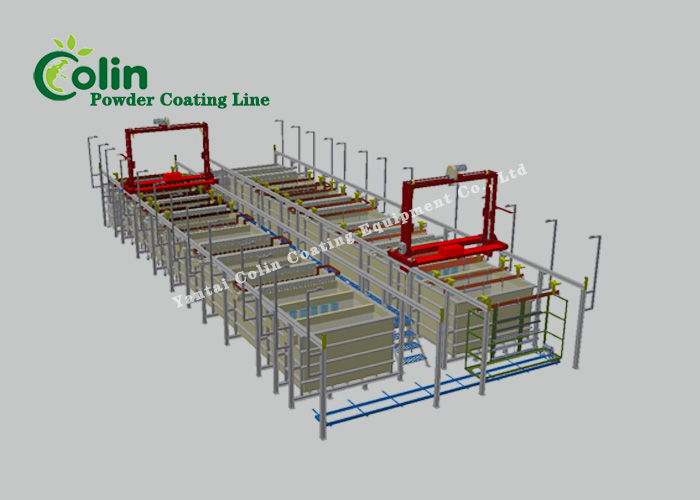
Drawings stop mistakes before they start. Skilled makers like Colin supply both 2D and 3D plans. These plans show exactly where each unit will sit. They also mark service doors, fire exits, and utility hook-ups. A 3D view makes it easy to spot clashes with roof beams or ductwork before any drilling begins.
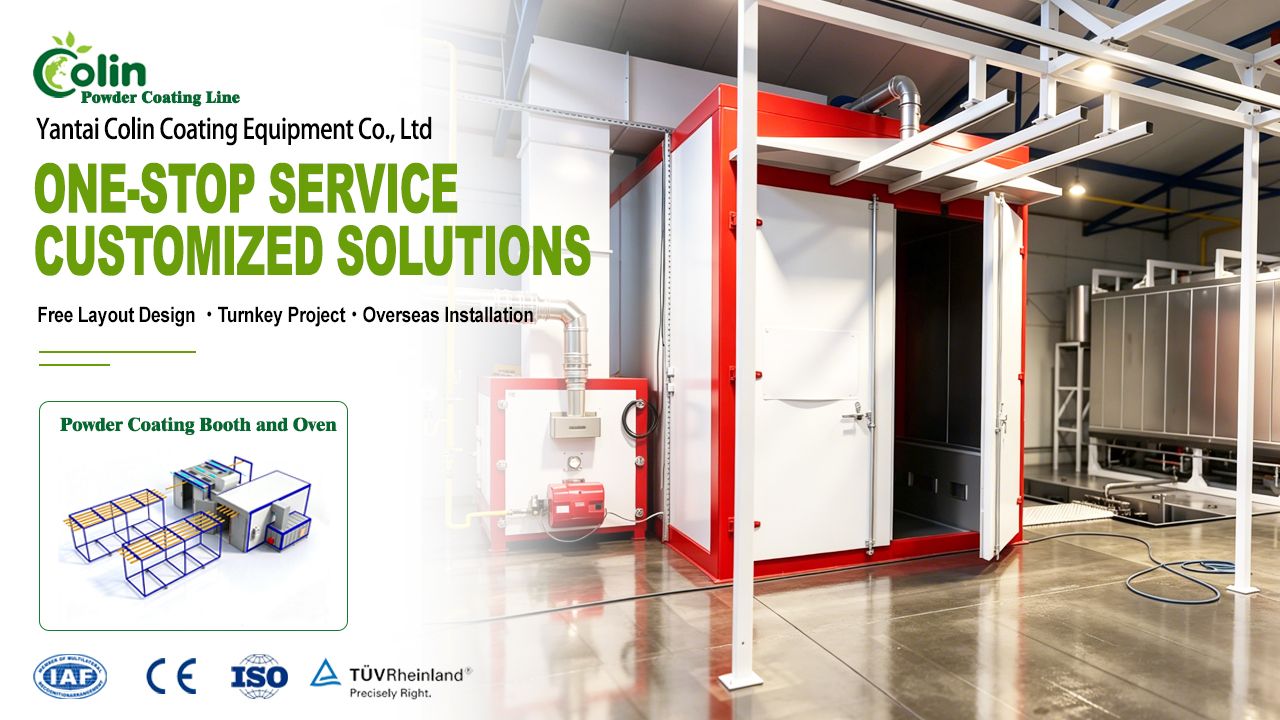
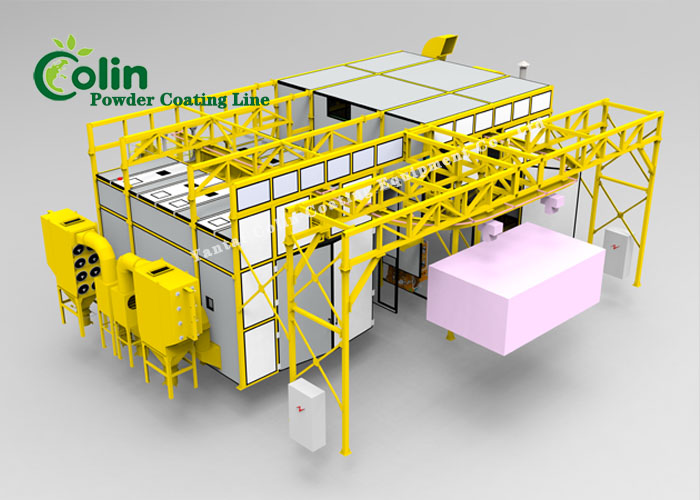
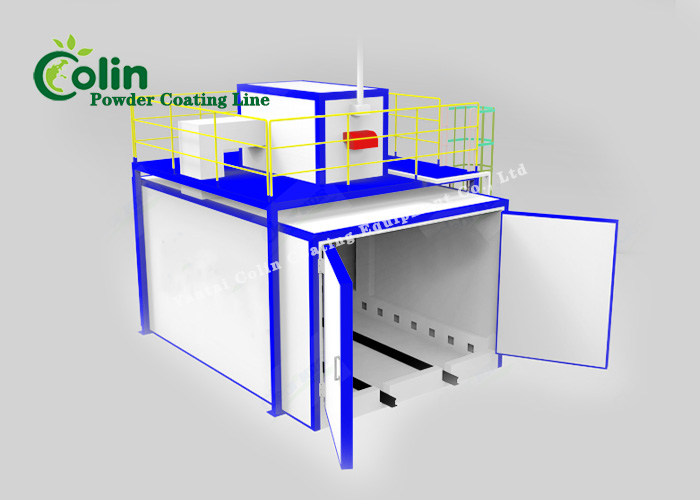
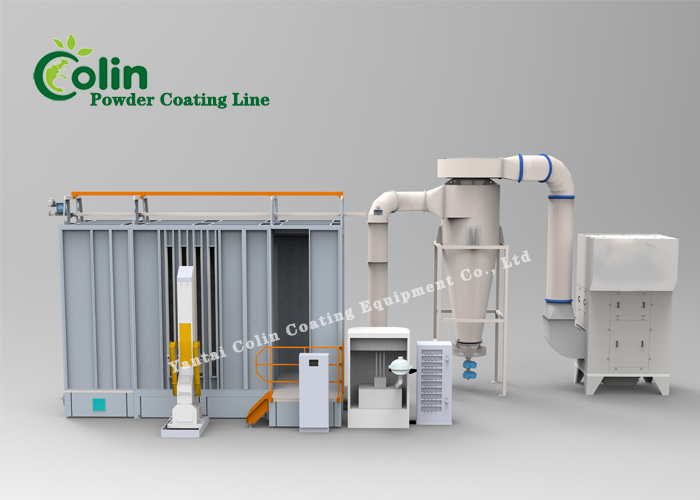
A real turnkey project covers every stage from first visit to final training. Colin offers a complete service. It starts with a cleaning system chosen for your parts, moves to energy-saving ovens with several heat options, and ends with a PLC-driven conveyor. All parts work together: powder feed, spray booth, recovery unit, and dust filter. When the job is done, the line runs as one smooth system.
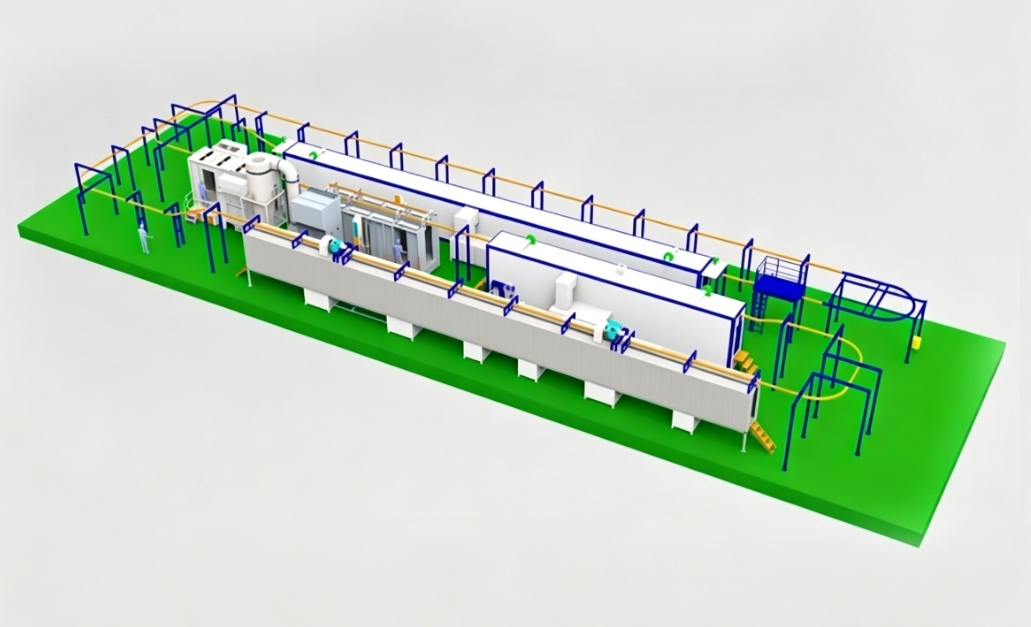
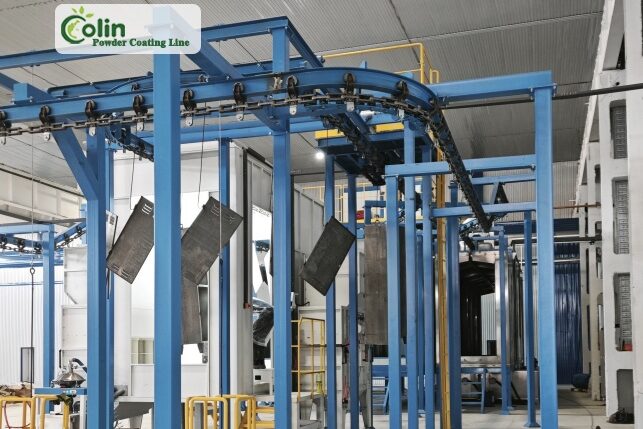
Plants that need steady output and even quality often choose an automated powder coating line. The gain is not only speed. It is also accuracy and lower waste.
Many parts have deep pockets or sharp corners that are hard to coat by hand. An automated powder coating line uses moving spray guns and PLC timing to reach every surface. Film thickness stays within 5 µm of the target. The spray booth is built in sections, so color changes finish in 15 to 30 minutes and keep downtime low.
Good layout and smart controls cut energy use by about 30 %. Output rises 30–40 % at the same time. A closed recovery loop with cyclones and cartridge filters returns more than 95 % of the powder. Thick oven walls and modern burners hold heat inside, so utility bills drop and local VOC rules are easier to meet.
A smooth install starts with clear site prep. Talk with the maker early so power, air, and floor work line up with the equipment drawings.
Your building must supply the right services before the line arrives.
Most lines take 4 to 8 weeks to set up and test. Colin sends engineers who stay on site until the line passes both empty and loaded runs. They check speed, temperature, and coating quality against the original targets.
Choosing the right finishing system shapes how your plant will run for years. The strongest powder coating line manufacturers do more than sell boxes. They study your floor, draw the layout, and deliver a working line. When an automated powder coating line sits inside a well-planned space, you gain steady film thickness, 95 % powder recovery, and lower energy bills. Colin brings more than 15 years of experience and lifetime support to every project.
A: Yes. Colin builds lines that handle parts up to 6000 × 750 × 1500 mm, so aluminum profiles and large frames fit without trouble.
A: Colin uses thick oven insulation, modern burners, and PLC controls. These steps cut energy use by up to 30 %.
A: Closed-loop cyclones and cartridge filters return more than 95 % of the powder, which lowers cost and helps meet environmental rules.
A: The full install and test cycle at Colin usually runs 4 to 8 weeks, based on line size and options.
A: Modular booths and multiple powder centers let operators finish a color change in 15 to 30 minutes.