Nullam dignissim, ante scelerisque the is euismod fermentum odio sem semper the is erat, a feugiat leo urna eget eros. Duis Aenean a imperdiet risus.
Nullam dignissim, ante scelerisque the is euismod fermentum odio sem semper the is erat, a feugiat leo urna eget eros. Duis Aenean a imperdiet risus.
 author
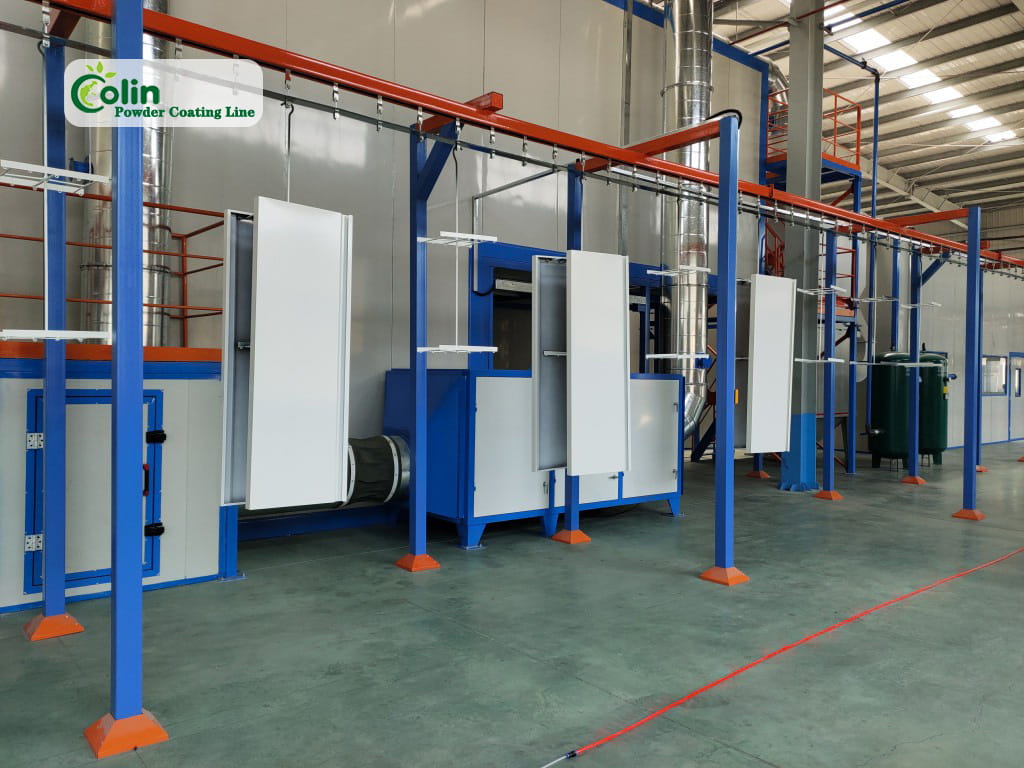
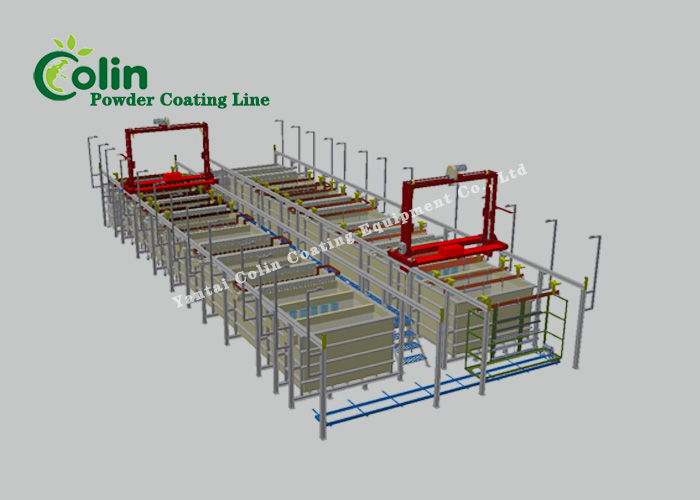
In today’s surface treatment field, using the same equipment for every job often creates slowdowns and uneven coating results. Picking the right partner from powder coating line manufacturers means understanding how each piece of equipment fits your own production targets. A system built around your needs helps every step, from chemical pretreatment to final curing, work well with the actual materials and shapes you process. Colin builds solutions that go beyond standard machines. They focus on getting the most value from your investment by matching the design to your exact requirements and adding smart control features. Buying a full industrial powder coating line takes a large amount of money, so it pays to check both the technical skill and the flexibility of any supplier you consider. Good manufacturers can spot where your current process loses time or wastes powder and then create a layout that cuts those losses.
The items you coat set the basic shape of the whole line. A good industrial powder coating line begins with a close look at the parts themselves, including the type of metal or plastic and how they react to heat and chemicals.
Each material needs its own cleaning and treatment steps so the powder sticks well and protects against rust over time. For instance, aluminum components normally get cleaned in baths that differ from those used for steel components. The weight of the items is an important factor in determining the capacity of the conveyor and the interior size of the oven. Shape matters too. Parts with deep pockets or many small details need spray guns that can reach every surface evenly. Colin designs lines that handle a wide range of sizes, with a maximum hanging space of 6000×750×1500 mm.
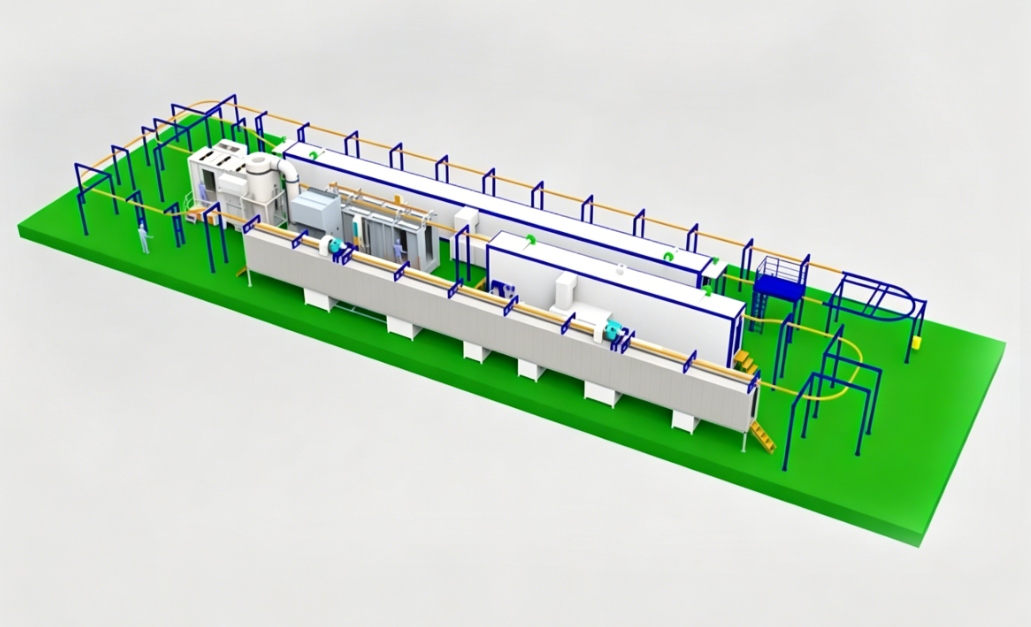
One key choice early in the project is how much of the work should be done by machines instead of people. This choice affects daily output, labor cost, and how steady the coating thickness stays from part to part.
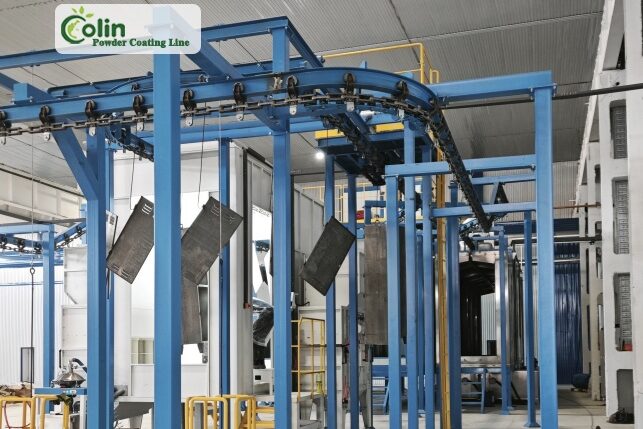
An automatic powder coating line can raise output by about 30 to 40 percent compared with older spray methods. Plants that run high volumes gain from a PLC controller and a touch-screen panel. These tools let operators watch oven temperature, line speed, and powder flow all at once. Smaller runs may still work better with a partly manual setup that gives more room to change products quickly. When tight thickness control is needed, reciprocating guns help. They move up and down in a steady pattern so the coating stays within a 5 µm tolerance across complex shapes. The result is that every part leaves the booth with the same appearance and protection level.
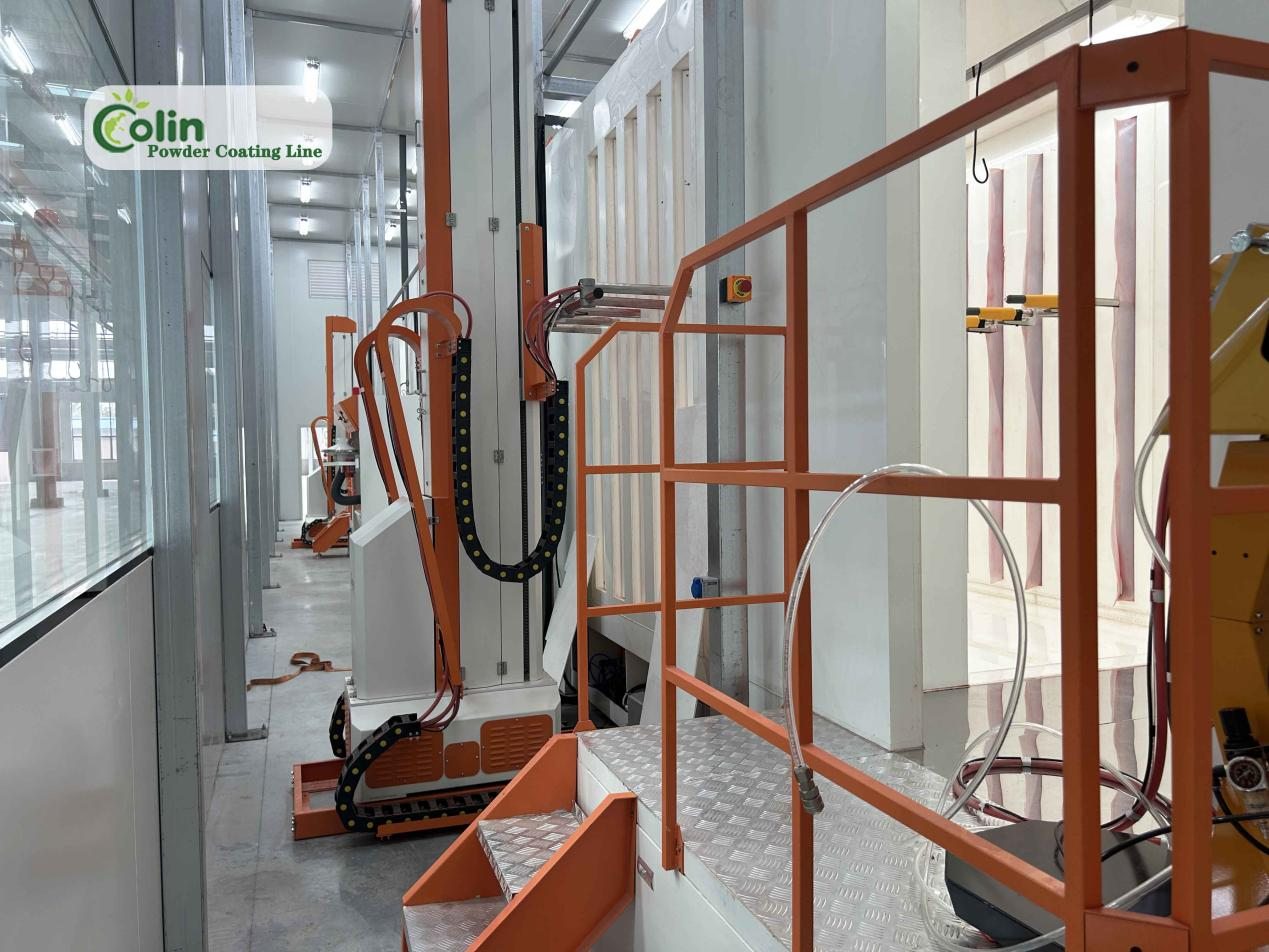
More buyers now want smaller lots and more color choices. This trend puts pressure on the time it takes to switch powders. Suppliers must show how their automatic powder coating line keeps that switch time short so the line stays busy.
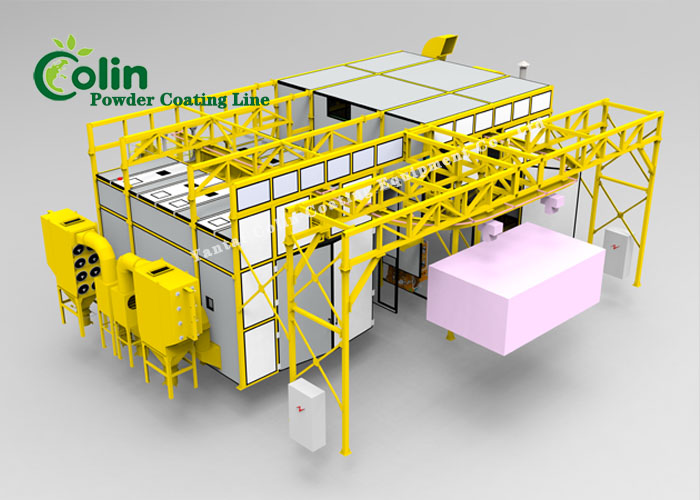
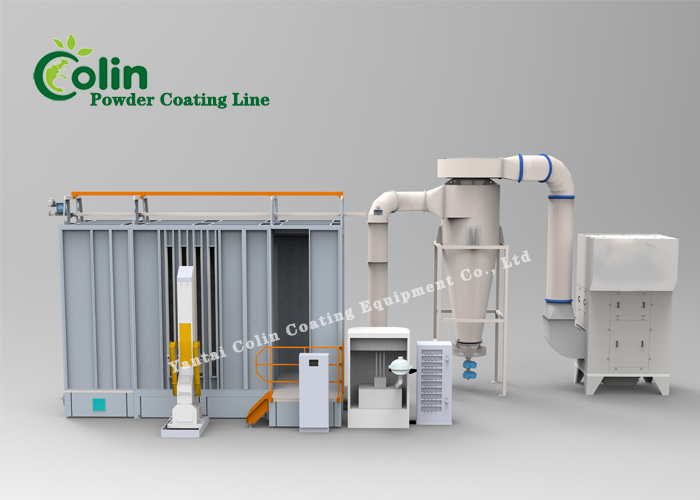
Good color-change systems can cut the switch from several hours down to 15–30 minutes. Modular booths and separate powder-supply centers make this possible. Booth walls are made from materials that resist powder sticking, so cleaning takes less time. A closed recovery loop with cyclones and cartridge filters captures more than 95 percent of the powder for reuse. This keeps material costs down and holds dust levels inside the booth below required limits. Colin uses these same features to help customers run mixed schedules without long stops.
Emissions and energy consumption regulations become more stringent all the time. Every new finishing system needs to satisfy such regulations while maintaining low operating expenses.
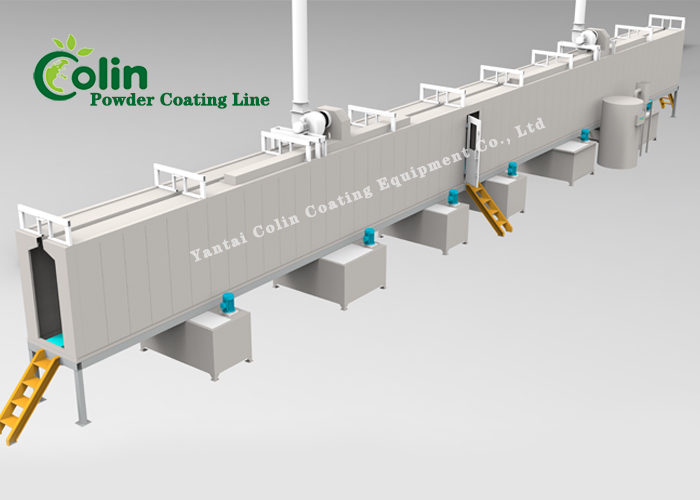
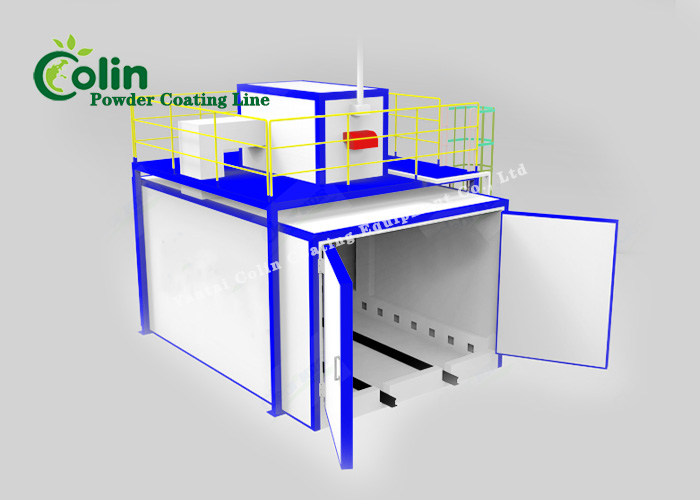
The curing oven uses the most energy in the line. Buyers should choose the heat source that fits their local fuel prices, whether gas, electric, or infrared. Most ovens run between 160 °C and 210 °C. Some jobs need lower heat, around 140 °C to 160 °C, to avoid warping plastic parts. New heat-recovery designs can cut fuel use by roughly 30 percent compared with older ovens. Powder coating also avoids solvents such as toluene or xylene, so the process meets environmental rules more easily than liquid painting.
Putting a complete coating system in place takes careful planning from the first layout to daily operation years later.
Strong powder coating line manufacturers offer full project support. This includes 2D and 3D drawings, equipment build, and on-site startup. The whole install and test period usually lasts 4 to 8 weeks. During that time, engineers walk the crew through wiring, safety checks, and filter changes. They also cover explosion-proof rules for the powder area. After startup, 24-hour online help is available. If a problem cannot be fixed by phone or video, a technician can reach the site within seven working days. Colin supplies a one-year warranty on standard parts and longer coverage on key items such as the PLC. Local service partners help keep the industrial powder coating line running without long stops.
The selection of an appropriate finishing system is important not only in terms of product quality but also in terms of daily expenses that will be incurred for years. With careful consideration of the parts being manufactured, automation rate, color change capability, energy consumption, and supplier support, it becomes possible for purchasers to ensure that no adjustments are required in the future. Colin brings 15 years of experience and more than 60 patents to each project, helping customers stay competitive as product mixes change.
For more information on fitting a coating line to your plant, contact us today.
A: Colin studies the material, size, weight, and shape of your parts, along with the required film thickness and appearance. From that data, the team creates a layout that meets your quality targets.
A: With modular booths and separate powder centers, a complete color change usually finishes in 15–30 minutes. This includes booth wipe-down and gun cleaning.
A: The building needs steady power, clean dry air, and proper exhaust routes. Colin supplies layout drawings early, so the plant team can prepare water, power, and gas connections before equipment arrives.
A: Standard equipment carries a one-year warranty, with extended coverage on the PLC and other core parts. Help is available online around the clock. If remote checks do not solve the issue, an engineer can be on site within seven business days.