Nullam dignissim, ante scelerisque the is euismod fermentum odio sem semper the is erat, a feugiat leo urna eget eros. Duis Aenean a imperdiet risus.
Nullam dignissim, ante scelerisque the is euismod fermentum odio sem semper the is erat, a feugiat leo urna eget eros. Duis Aenean a imperdiet risus.
 author
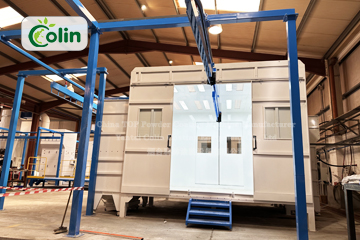
A batch powder coating oven is usually the more flexible choice for large, irregular, or frequently changing workpieces, while a conveyor powder coating oven is better suited to a steady stream of repeated parts. The decision depends on product mix, loading method, available space, and the way curing needs to connect with spraying and inspection. Neither setup is automatically better for every factory.
The practical question is how the oven will behave during a normal production day. A furniture frame, appliance panel, long profile, or heavy welded assembly may need a different loading rhythm and clearance from a small repeated bracket. Colin‘s powder coating oven solutions can be considered around these real workpiece conditions rather than around a single generic capacity label.
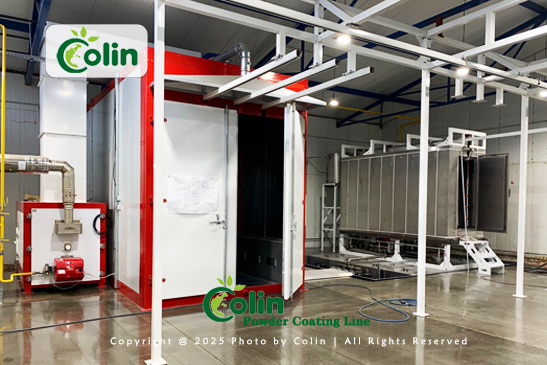
Curing is the stage where the applied powder develops the properties expected from the finished film. A useful oven must give the workpiece enough usable space and a controlled heating environment, while its doors, transfer points, and loading arrangement support the way operators actually work.
The oven also needs to fit the rest of the process. If parts arrive from a spray booth in one orientation but must be turned or reloaded before heating, the extra handling can reduce the value of an otherwise capable unit. Good selection keeps the path between spraying, curing, cooling, and inspection clear and repeatable.
Part geometry changes how space is used inside the oven. Deep frames, long profiles, welded assemblies, and parts with protected corners need more than a simple check of external dimensions. Loading carts, hooks, racks, and clearance around the part all influence whether the oven can be used efficiently without contact or awkward repositioning.
Material and weight matter as well. Colin asks users to consider workpiece material such as iron or aluminum, along with size, weight, shape complexity, coating thickness, and quality requirements. Those same factors help distinguish a flexible batch workflow from a more continuous conveyor arrangement.
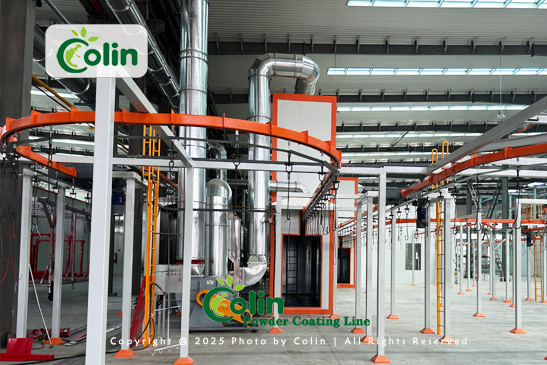
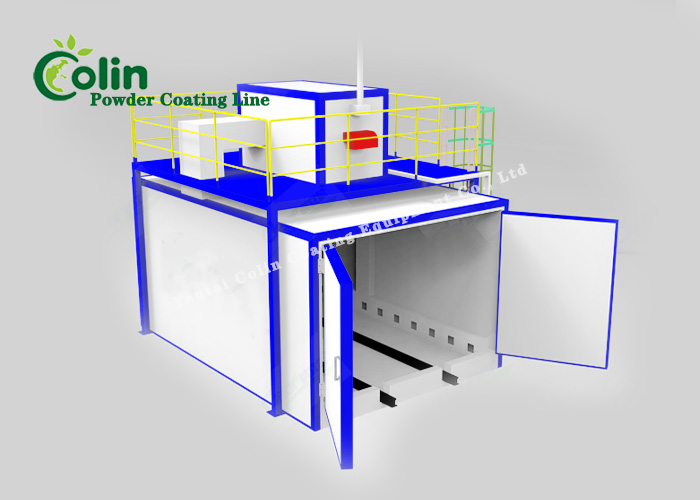
A batch powder coating oven accepts a group of parts, heats them as a cycle, and then makes room for the next load. This approach is useful when products are too large for a compact continuous route, when shapes vary sharply, or when one factory handles several product families that do not share the same loading pattern.
Large metal furniture assemblies, oversized frames, special brackets, and low-volume custom work can benefit from that freedom. Operators can prepare a load around the available space instead of keeping every part at the same distance and orientation on a moving conveyor. The trade-off is that material flow depends more on loading discipline and cycle planning.
Batch operation can support production that changes from one order group to another. A team may finish one set of parts, inspect the load, and prepare a different group without redesigning the conveyor route. This makes the format attractive when product variety is high and the factory values adaptable use of the oven.
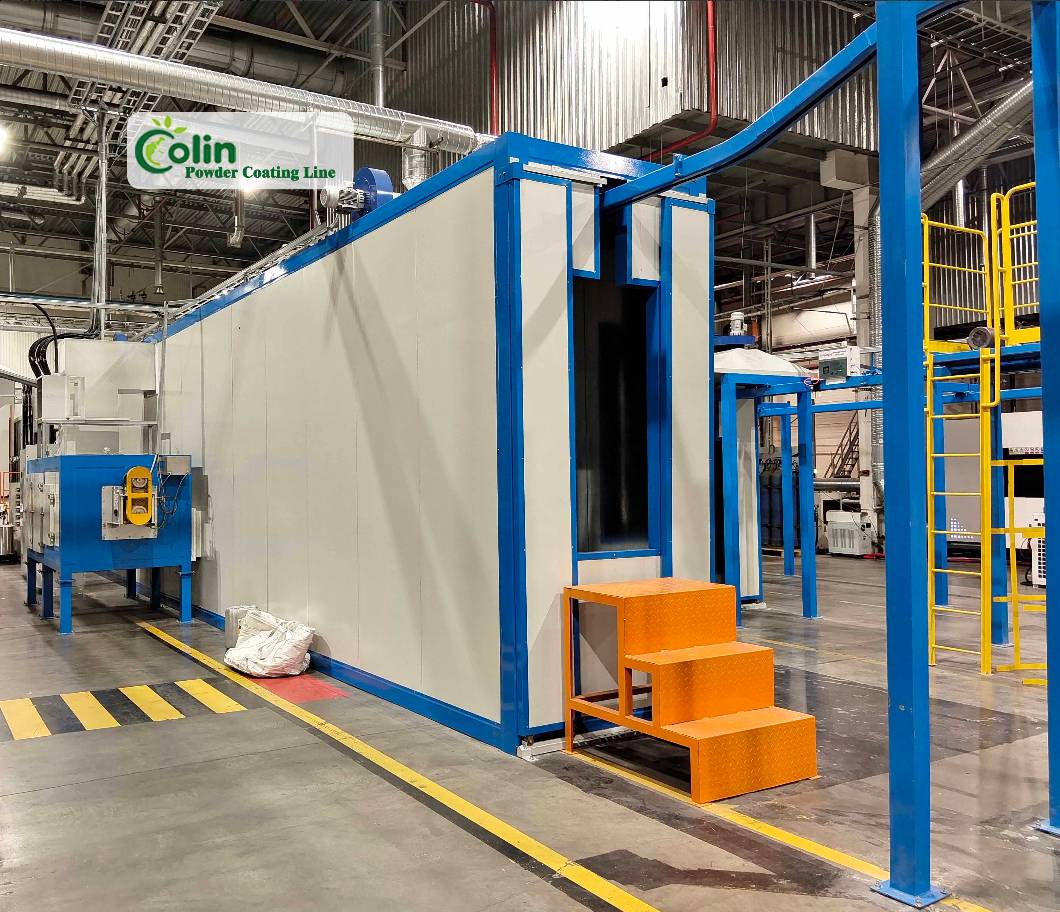
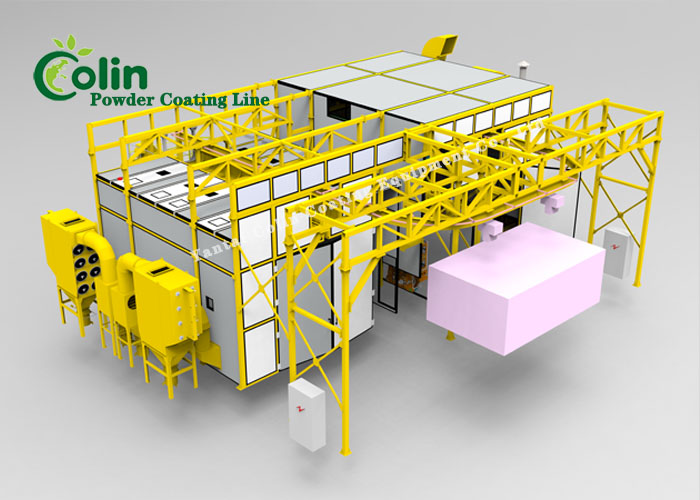
A conveyor powder coating oven forms part of a continuous powder coating system. Parts are attached to an overhead conveyor, travel through the curing zone, and continue toward cooling, unloading, or inspection. This arrangement suits repeated workpieces because the line can maintain a consistent order and reduce separate loading steps between batches.
Repeated chair frames, standard panels, brackets, and other stable product groups can benefit from the predictable route. The advantage grows when spraying, curing, and downstream handling are designed as one linked flow. The conveyor should still provide enough clearance for the largest normal part and allow operators to work safely around loading and unloading points.
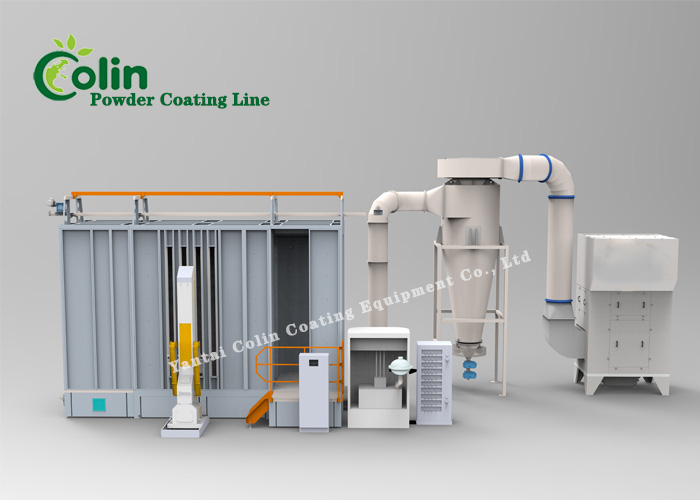
An automatic powder coating line can use a conveyor oven to connect the major stages of finishing. The powder booth, conveyor, oven, and related equipment need compatible positions so parts do not wait unnecessarily or require repeated manual transfers. Line balance is therefore a layout decision as much as an oven decision.
For factories with a stable product range, continuous movement can make daily production easier to observe. Operators can identify where parts enter, where they are coated, where they cure, and where they leave the line. When the product mix becomes more varied, the same arrangement may need adjustable hanging methods or a separate route for unusual parts.
Production volume is useful only when considered with variety. A high number of similar parts points toward a conveyor powder coating oven, while a moderate volume of very different parts may be easier to manage in batches. The key is the number of times the factory must change loading arrangements, product orientation, or process sequence during a shift.
A mixed operation may use a continuous route for stable product groups and retain batch capacity for large or irregular workpieces. Where a single oven must serve both, the layout and loading method should be tested against the full part range before the final arrangement is selected.
Measure the real envelope of the workpiece, including hooks, racks, carts, and the space needed to move it through the door or tunnel. Weight affects how parts are supported, while shape affects whether surfaces remain separated and accessible. A technically large oven can still be inconvenient if the loading path is difficult or if operators must repeatedly reposition parts.
A conveyor route needs room for the line path, turns, loading, unloading, and access around the oven. A batch oven may occupy less route length, yet require practical space for carts, staging, and safe door operation. The best arrangement is the one that reduces unnecessary movement while leaving enough access for cleaning, inspection, and routine operation.
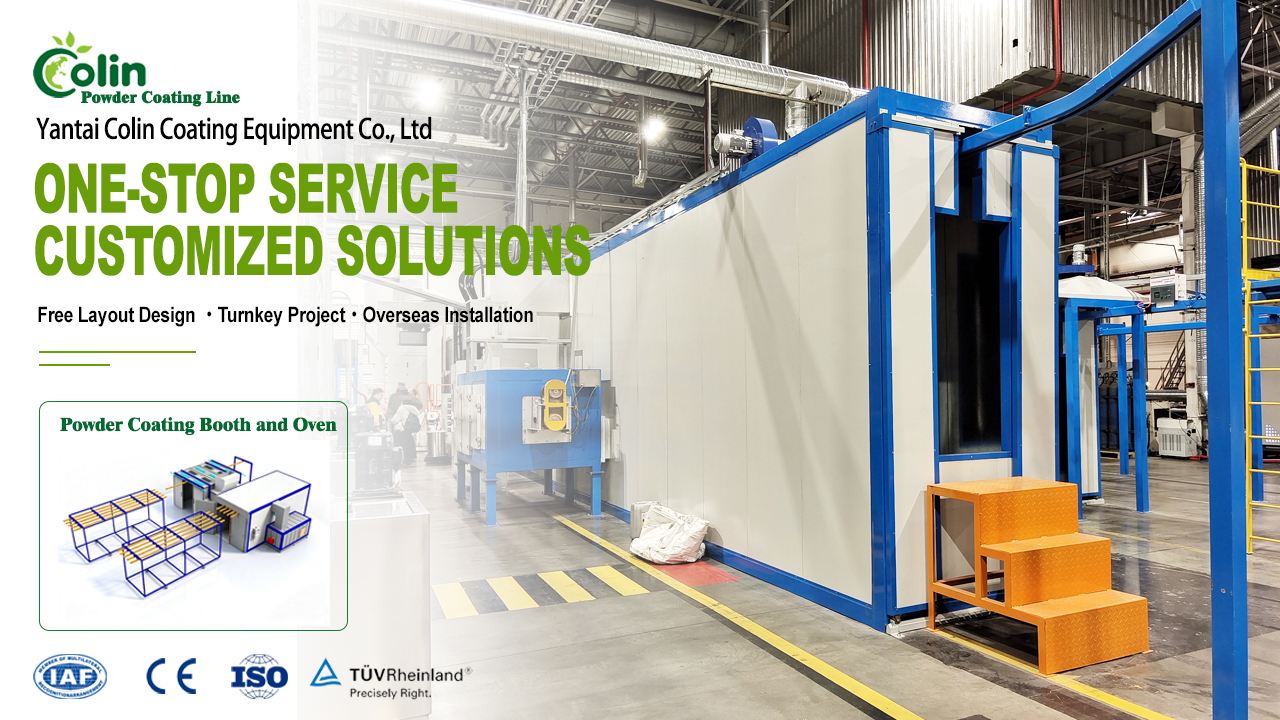
Colin supplies powder coating ovens as part of a broader finishing equipment range that includes powder coating lines, spray booths, and pretreatment systems. The choice can be discussed around workpiece material, dimensions, weight, geometry, coating expectations, and the preferred production rhythm. That keeps the oven connected to the way the factory actually sprays and handles parts.
The Colin powder coating oven is a useful starting point for reviewing the oven solution, while the Colin powder coating line helps show how curing can fit within a complete line. For factories still comparing layouts, the wider equipment range provides useful context for related process stages.
The difference between a batch and conveyor powder coating oven is really a difference in production behavior. Batch curing gives more freedom for large, irregular, or changing loads, while conveyor curing supports a steady route for repeated parts. Selecting the right format helps protect finish consistency and makes the movement from spraying to inspection easier to manage.
Contact us to choose the powder coating oven configuration that best fits your production flow, part size, and output requirements.
A: A batch oven cures a prepared group of workpieces in a cycle, which gives flexibility for different sizes and shapes. A conveyor oven moves parts continuously through a curing zone and suits repeated production. The choice depends on product variety, loading method, floor space, and the desired relationship between spraying and curing.
A: A batch powder coating oven is often more suitable for large or irregular metal parts because operators can arrange each load around the available chamber space. The final choice still depends on the part dimensions, weight, shape, handling equipment, and required coating quality. These factors should be reviewed together before the oven is selected.
A: A conveyor oven can handle mixed-size workpieces when the line, hooks, clearances, spray access, and oven space are designed for the full product range. It is most efficient when the parts share a reasonably stable flow. Very large or unusual parts may be better assigned to a batch route.
A: Colin can develop the oven arrangement around workpiece material, maximum and minimum size, weight, shape complexity, coating thickness, and surface quality requirements. The production rhythm and surrounding equipment also matter, so the oven can be considered together with the powder coating line, booth, and handling method.