Nullam dignissim, ante scelerisque the is euismod fermentum odio sem semper the is erat, a feugiat leo urna eget eros. Duis Aenean a imperdiet risus.
Nullam dignissim, ante scelerisque the is euismod fermentum odio sem semper the is erat, a feugiat leo urna eget eros. Duis Aenean a imperdiet risus.
 author
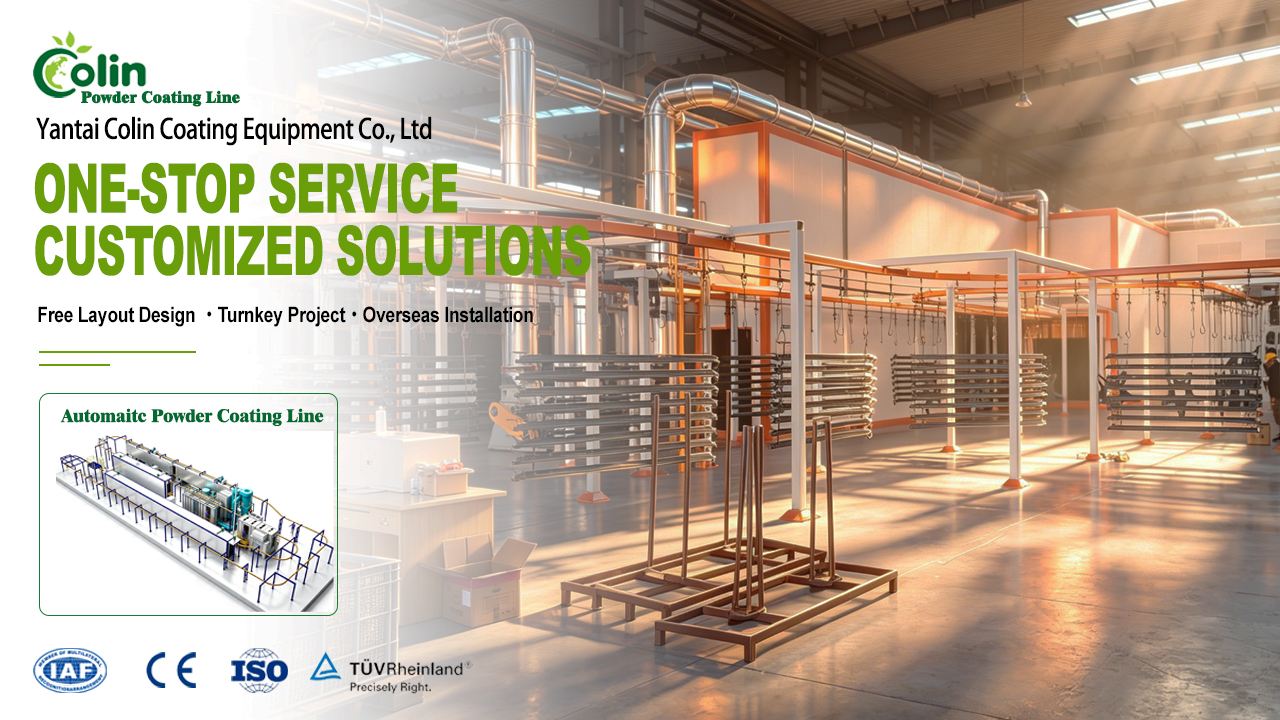
A powder coating line upgrade improves finishing performance when the existing process struggles with unstable recovery, slow color changes, uneven coverage, crowded handling, or poor coordination between spraying and curing. The practical upgrade is not simply buying one larger machine. It is a careful review of workpiece size, coating requirements, powder recovery, automation level, conveyor flow, and how each stage supports the next one. Colin industrial coating equipment can be evaluated as a connected route rather than a collection of isolated machines.
Colin is relevant when a factory needs an upgrade to fit its real products rather than a generic layout. The line can be discussed around workpiece material, maximum and minimum size, weight, shape complexity, expected coating thickness, and finish quality requirements. That makes a powder coating line upgrade a process decision, not only an equipment change.
A manual spraying workshop can be useful for flexible work, but it often becomes difficult to control as product volume or finish expectations rise. Operators may spend too much time repositioning parts, touching up hidden areas, cleaning powder from the floor, and adjusting by habit instead of by a repeatable process. When the line depends on individual skill for every pass, quality can change from shift to shift.
A powder coating line upgrade can introduce better movement, clearer spray access, and more stable powder handling. The goal is not to remove every manual task. Many factories still need manual touch-up for complex recesses, but the surrounding process should make that work predictable and easy to check.
Recovery and flow problems usually appear together. If overspray is hard to collect, the booth becomes dirty faster, color changes take longer, and operators may carry old powder into the next job. If parts wait too long between spraying and curing, or if the conveyor path creates awkward loading points, even a capable booth can lose efficiency.
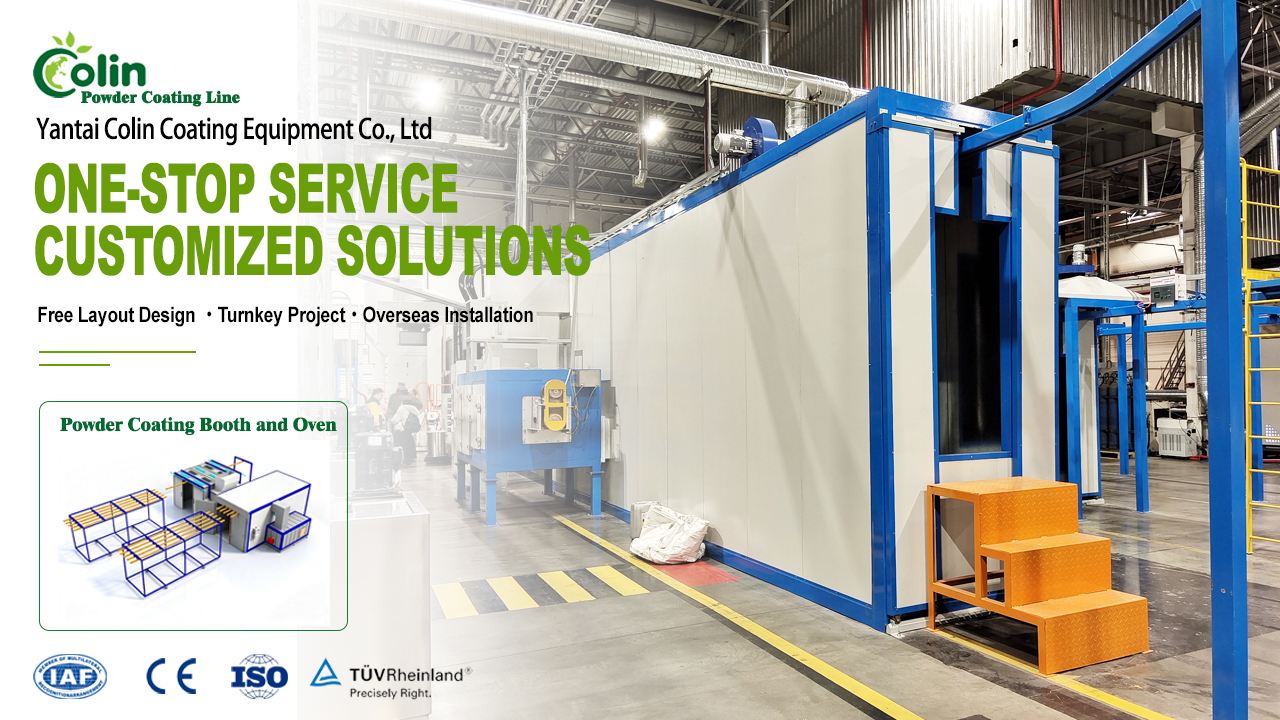
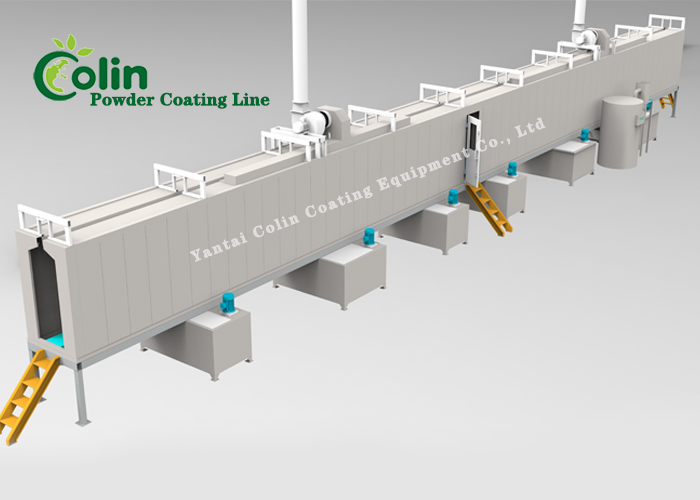
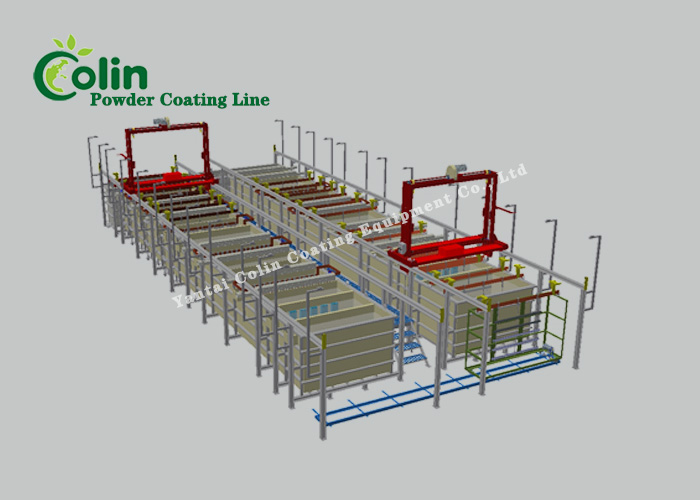
Colin’s equipment range includes powder coating line, powder coating booth, curing oven, pretreatment system, and related handling elements. Looking at these stages together helps avoid the common mistake of improving one area while leaving the bottleneck somewhere else. A stronger recovery system, for example, should still match booth airflow, part geometry, powder type, and cleaning access. The Colin sandblasting booth solution is also relevant when surface preparation needs to be integrated upstream.
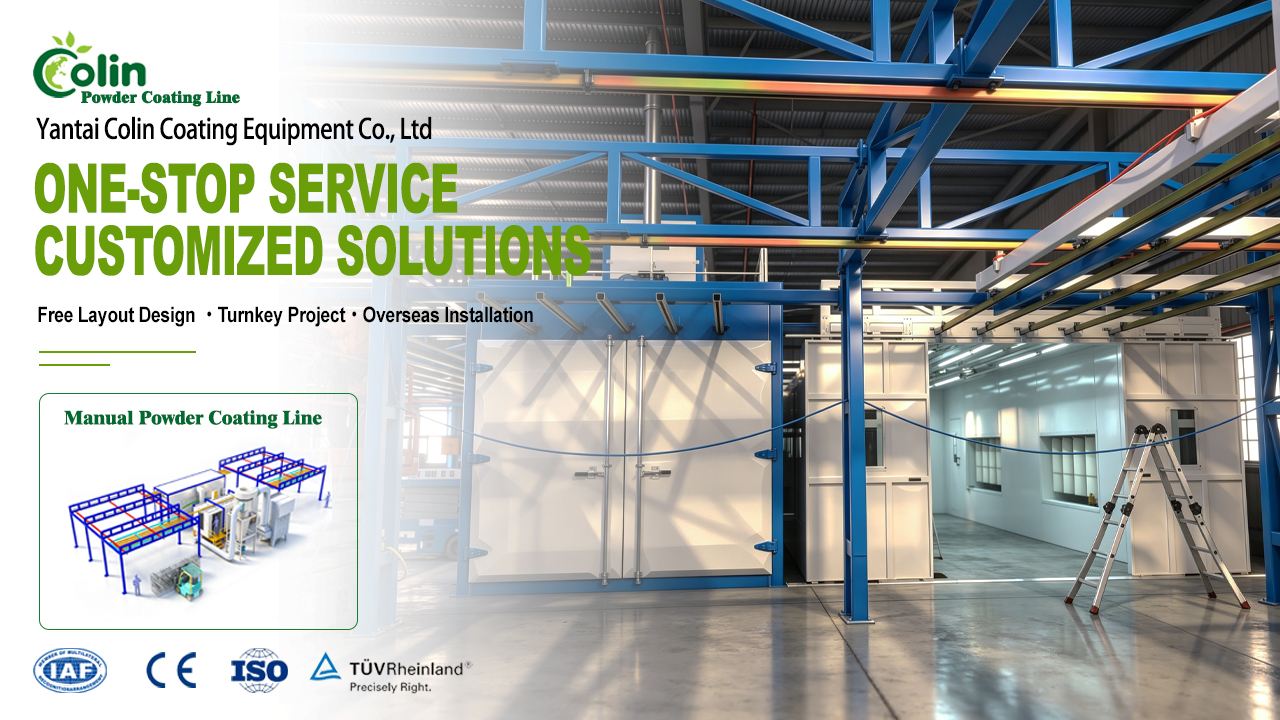
The first upgrade question should be what the factory actually coats. Colin asks for workpiece material such as iron or aluminum, maximum and minimum size, weight, shape complexity, expected coating thickness, and quality requirements. These details decide booth opening, hanger spacing, conveyor clearance, spraying method, curing path, and whether the line needs manual, semi-automatic, or automatic operation.
A line designed around one small part may fail when the factory introduces wider panels, heavier frames, or deeper recesses. At the same time, oversized equipment can waste space and make cleaning harder. A useful upgrade balances present production with realistic future products, keeping the line adaptable without making it unnecessarily complex.
A powder coating line upgrade must also fit the building. Columns, ceiling height, loading doors, compressed air, ventilation, heat source, wastewater handling, and maintenance access all influence the final route. If the conveyor path forces operators to cross busy areas or move parts twice, the upgraded equipment may still feel inefficient in daily use.
Colin describes solution planning around space, workpiece material, production volume, and coating requirements. That is a sensible starting point because layout decisions affect more than equipment placement. They decide how parts enter pretreatment, reach the booth, pass through curing, cool down, and move toward inspection or assembly.
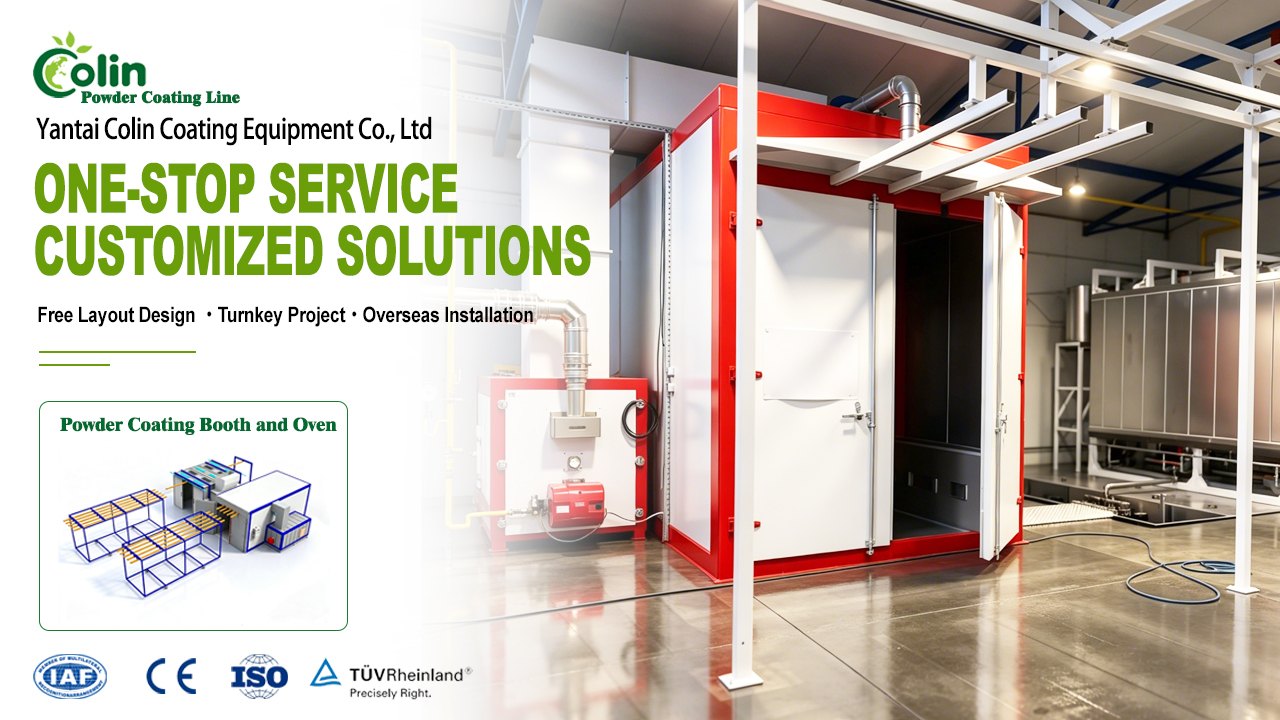
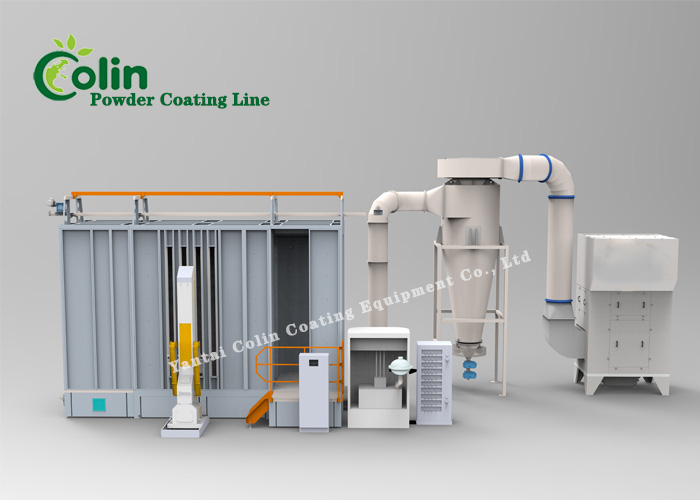
A powder recovery system upgrade can reduce wasted overspray and make the booth easier to keep clean. Colin highlights high powder recovery, fast color change, and convenient cleaning as advantages of the spray booth stage. When recovery works well, operators spend less time fighting loose powder and more time controlling film appearance.
Recovery design should match the product mix. Simple repeated parts may allow a very stable spray pattern, while mixed parts with corners, holes, and varying surfaces can send powder into different areas of the booth. The recovery route, filters, cleaning access, and powder supply center should be planned around those real movement patterns.
Automation is often the visible part of a powder coating line upgrade. Colin notes automation upgrades with automatic reciprocating machines and spraying robots, which can support more repeatable gun movement and reduce dependence on manual spraying for broad surfaces. These tools are most effective when the workpiece is presented consistently, and the booth has enough clearance for the spray path.
Automation does not eliminate the need for process thinking. Complex workpieces may still require manual supplemental spraying, and robot or reciprocator settings should be matched to part geometry, line speed, and coating target. A good upgrade decides where automation should carry the repeated work and where skilled operator access remains valuable.
A line upgrade only succeeds when the main stages move at a compatible rhythm. Pretreatment has to leave the surface clean and dry, the booth has to apply powder evenly, the conveyor has to keep the part positioned correctly, and the curing oven has to provide the required thermal exposure. If one stage runs faster than the next, the plant gains a new waiting area instead of a better process.
The hanging conveyor system is described by Colin as intelligent control, and that idea is useful beyond the conveyor itself. A clear process flow lets operators see where parts are delayed, where cleaning is needed, and whether a change in line speed will affect spraying or curing. Controls should make the process easier to manage, not more obscure.
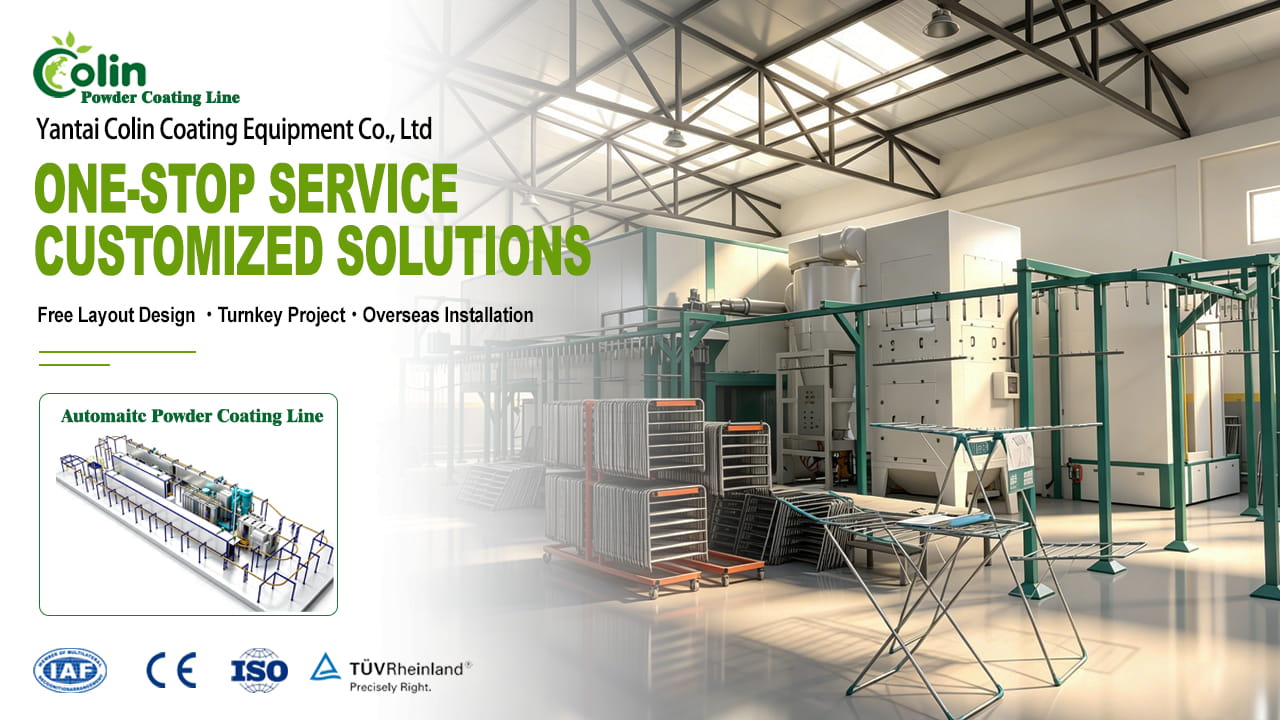
Colin can help connect pretreatment, curing oven, spray booth, powder recovery, and hanging conveyor decisions into one production route. Colin’s powder coating line solutions can be evaluated around space, workpiece material, production volume, and coating requirements. For an upgrade project, those inputs are more useful than a simple request for a standard line.
The same approach works whether the plant needs to improve recovery, add automatic reciprocating machines, introduce spraying robots, or reorganize the path between equipment. A practical powder coating line upgrade should give the team a cleaner workflow, clearer process checks, and enough flexibility for the products the factory actually makes.
A powder coating line upgrade is most valuable when it solves the real causes of unstable output: poor recovery, awkward handling, inconsistent spraying, slow color change, and weak coordination between pretreatment, booth, conveyor, and oven. The best result comes from treating the line as one connected finishing process. Colin supports that approach by shaping equipment choices around the workpiece, space, production volume, coating requirements, and the desired level of automation.
Explore Colin powder coating line solutions to plan an upgrade that improves recovery, automation, and process flow without losing sight of the actual workpiece.
A: Upgrading a powder coating line modifies an existing finishing system by making improvements in equipment, flow, recovery, automation, control, or handling. This can be achieved through modifications of the booth, enhanced recovery systems, automatic reciprocating machines, robotized spraying, conveyors, or coordination with pretreatment and curing. The right upgrade depends on the factory’s workpieces and coating goals.
A: The upgrading of the system becomes necessary where overspray is wasted in large amounts, cleaning of the booth is taking too much time, color change is not uniform, and accumulation of powder impacts the work environment. It is important to consider the characteristics of the powder, geometry of the parts, air flow, and cleaning process when designing the system.
A: No. Automation may be implemented in well-directed stages, including automatic reciprocating devices, spraying robots, conveyor systems, or enhanced instrumentation. There are some parts that will require manual addition spraying to areas where it cannot reach. The best implementation is that which combines automation of the repetitive processes with access where it adds value.
A: Colin is capable of analyzing the line improvement in terms of workpiece materials, sizes, weights, shapes, coating thickness, quality standards, quantities, available shop space, and utility services. The above factors will enable us to determine what type of improvement is needed: whether the recovery process needs to be improved, automated, rearranged, and so forth.