Nullam dignissim, ante scelerisque the is euismod fermentum odio sem semper the is erat, a feugiat leo urna eget eros. Duis Aenean a imperdiet risus.
Nullam dignissim, ante scelerisque the is euismod fermentum odio sem semper the is erat, a feugiat leo urna eget eros. Duis Aenean a imperdiet risus.
 author
In the conventional industrial setting, numerous producers continue to face constraints from manual or partially automated coating methods. They often encounter typical issues, including inconsistent coating thickness, high rejection rates due to poor adhesion, and skyrocketing labor costs. These problems usually arise from disjointed setups that miss smart integration. Moreover, older plants commonly fall short of current VOC environmental rules, which results in substantial material loss and possible fines from regulators. Such obstacles not only cut into earnings; they also block a company’s growth in a tough worldwide market.
At Colin, we tackle these issues by delivering strong, combined spraying options. As a focused maker with more than 15 years in metal surface handling and over 60 patented innovations, Colin supplies complete services that cover planning, making, setup, and ongoing aid. We help firms shift from handwork to “Industry 4.0” smarts, so each Colin powder coating line becomes a steady, high-yield tool.
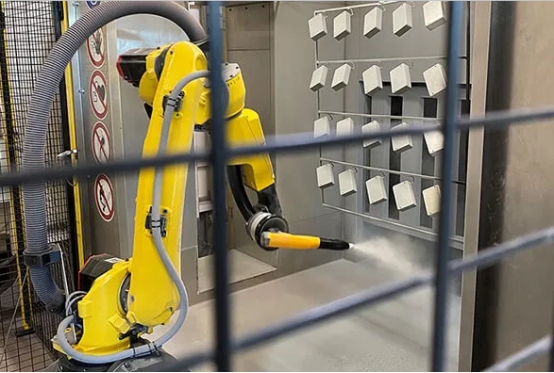
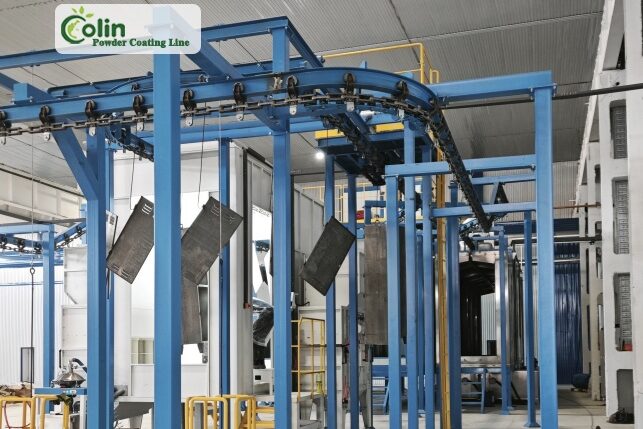
A fully automatic powder coating line for large-scale production forms an arranged series built for hands-free running, which guarantees steady quality that hand methods simply cannot match.
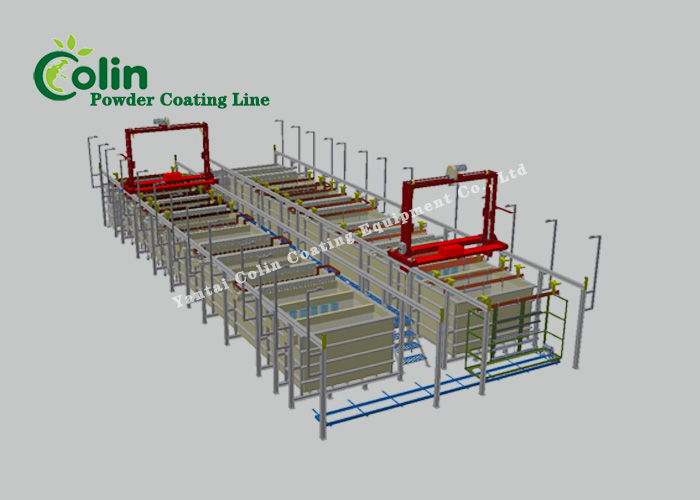
What is the automatic powder coating line process starts with careful surface readying. Workpieces go through several cleaning steps, like removing grease, rust, and adding phosphate, to clear away oxides and oils. This forms a thick phosphating layer that serves as a base for better sticking. Then, a high-heat drying phase makes sure the base stays dry, thus avoiding bubbles when spraying occurs.
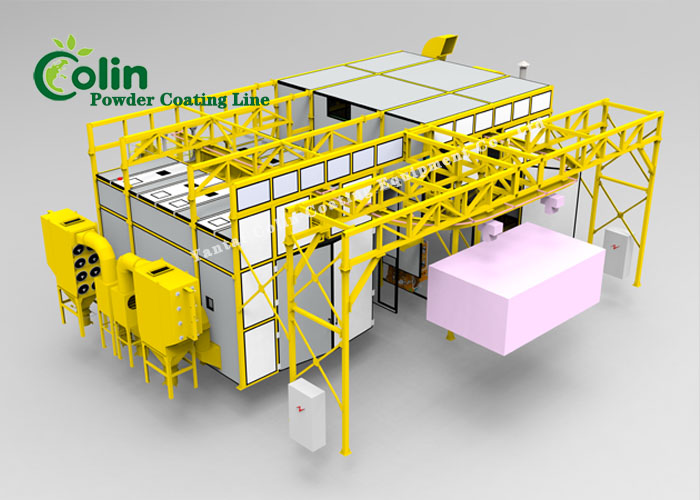
The heart of the Colin powder coating line lies in the smart spraying part. It employs exact back-and-forth devices or robots along with static spray tools, so the setup covers all angles without blind spots. This hands-off method keeps film thickness even, with an error under 5μm.
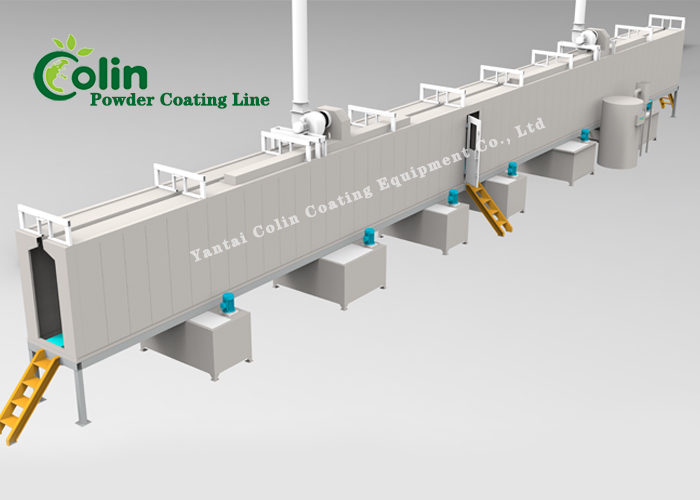
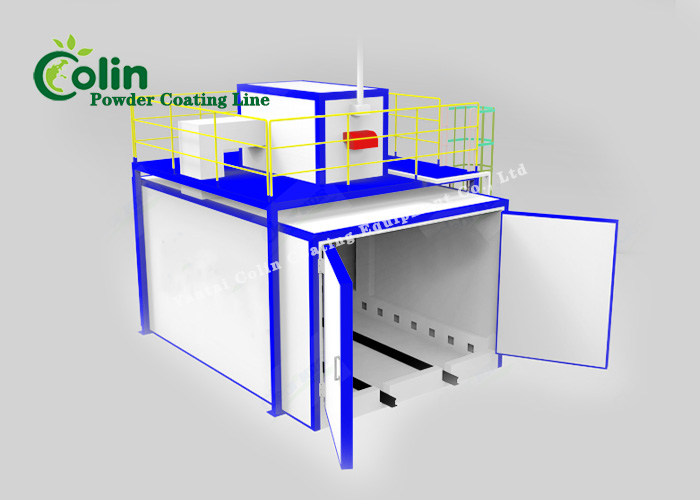
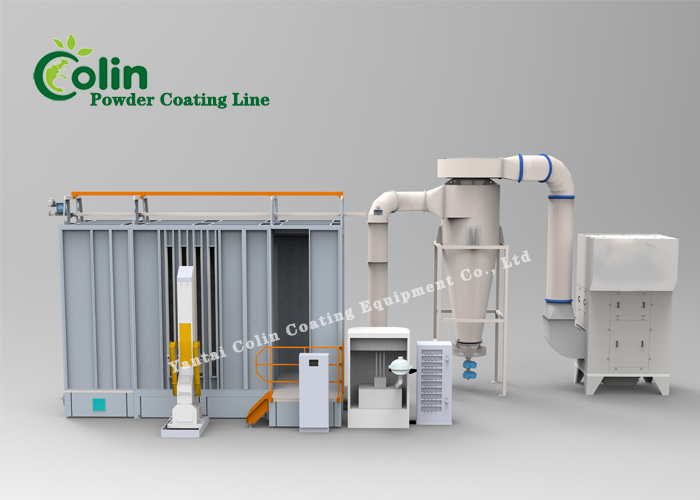
Green practices form a key part of the flow. Big cyclone splitters and filter reclaim units reach a powder reuse rate above 98%, which lets extra sprayed powder get reused right away. At last, workpieces move into a curing chamber, where hot air flow or infrared warmth holds temperatures steady at ±5℃, thereby creating a tough, durable surface.
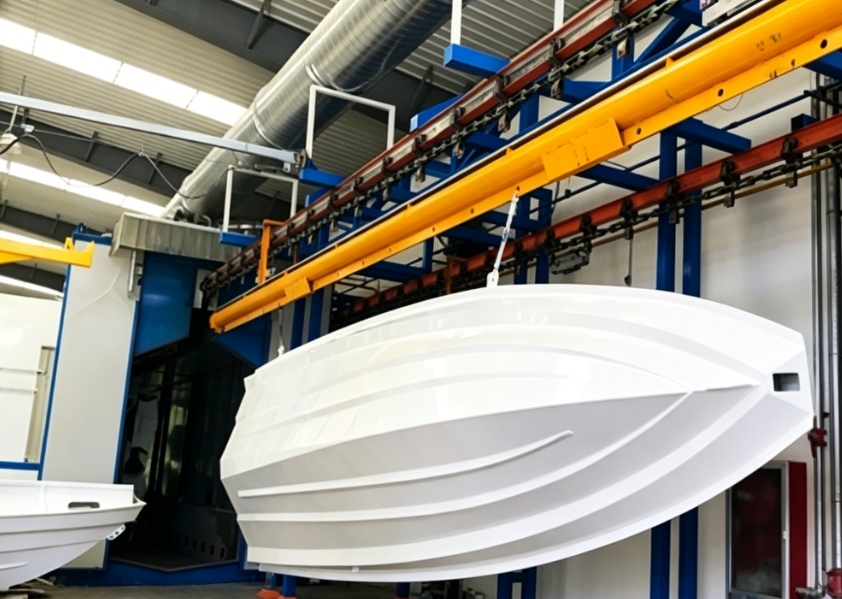
Opting for a fully automatic powder coating line for large-scale production brings clear technical benefits that affect profits in direct ways.
The edge of a fully automatic powder coating line for large-scale production shows clearly in real factory uses that have succeeded.
For Wancheng Electrical, which makes refrigerators and ice makers, Colin supplied a full hands-off line linked to a bridge-style curing unit. The whole setup runs via a PC that offers clear production views, so it keeps coating steady over many units while handling big volumes.
In one job for machine tool parts in China, the plant area proved very tight. Colin created a special two-layer spraying line. The lower level manages heavy gear with a 6-ton rail cart, whereas the upper level holds a bridge-style curing unit to boost heat use. This clever design raised output without needing more space in the building.
A hardware tool maker dealt with uneven coatings and eco concerns. After adding a Colin powder coating line with a big cyclone reclaim system and auto back-and-forth guns, the buyer hit a 98% powder use rate and met all global export rules fully.
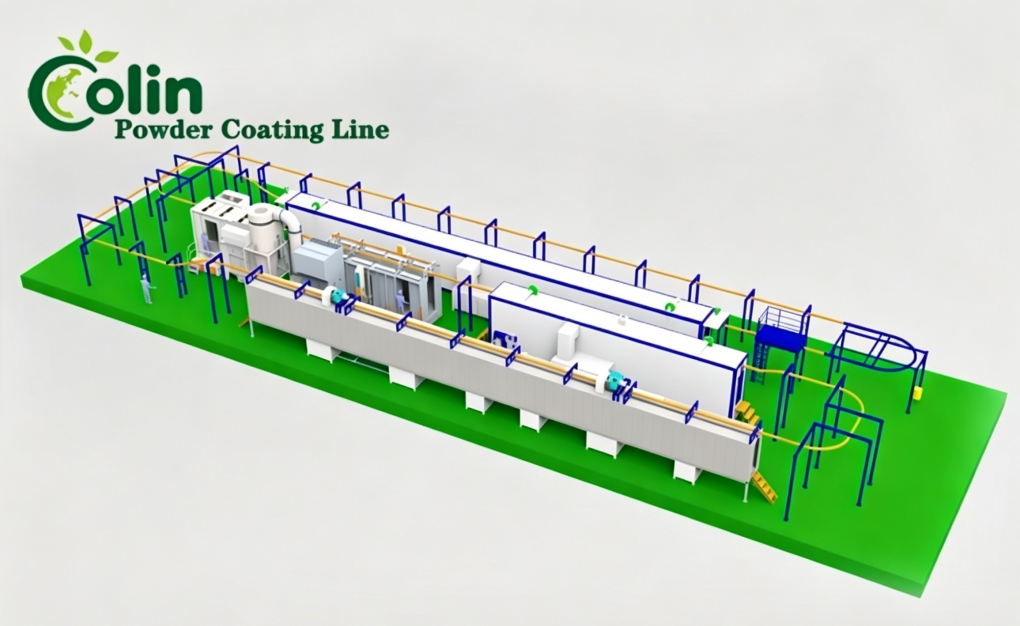
Picking a provider marks a key outlay. When assessing how to choose a reliable powder coating line supplier, makers ought to seek a teammate with solid skill depth and broad service reach.
As a top powder coating line supplier in China, Colin stands out because of:
Lead your workshop into the era of intelligent manufacturing. Reach out to Colin now for a tailored spraying plan and an exact return-on-investment review for your upcoming task.
A: Yes. We provide customized solutions based on your workpiece material (iron, aluminum, etc.), size, weight, and shape complexity to ensure optimal results.
A: Depending on the configuration, quick color changes can typically be completed within 15-30 minutes, with some systems reaching as fast as 12 minutes.
A: The standard installation and debugging cycle is 4 to 8 weeks, depending on the complexity of the system.
A: We provide 24/7 online technical support and can dispatch engineers on-site within 7 business days for emergency fault diagnosis.
A: Our systems use advanced hot air circulation and high-density insulation in curing ovens, reducing energy consumption by approximately 30% compared to traditional processes.